What Makes the Breast Cancer Screening Packages at Thien Nhan Hospital Different?
Examinations by Highly Experienced Leading Specialists
At Thien Nhan Hospital, patients are examined by leading obstetricians–gynecologists and oncology specialists with extensive hands-on clinical experience and a patient-centered, compassionate approach.
Each consultation is conducted thoroughly and attentively, with all questions carefully addressed, ensuring patients fully understand their health status and feel confident throughout the screening process.
Advanced Breast Cancer Screening Center with World-Class Technology
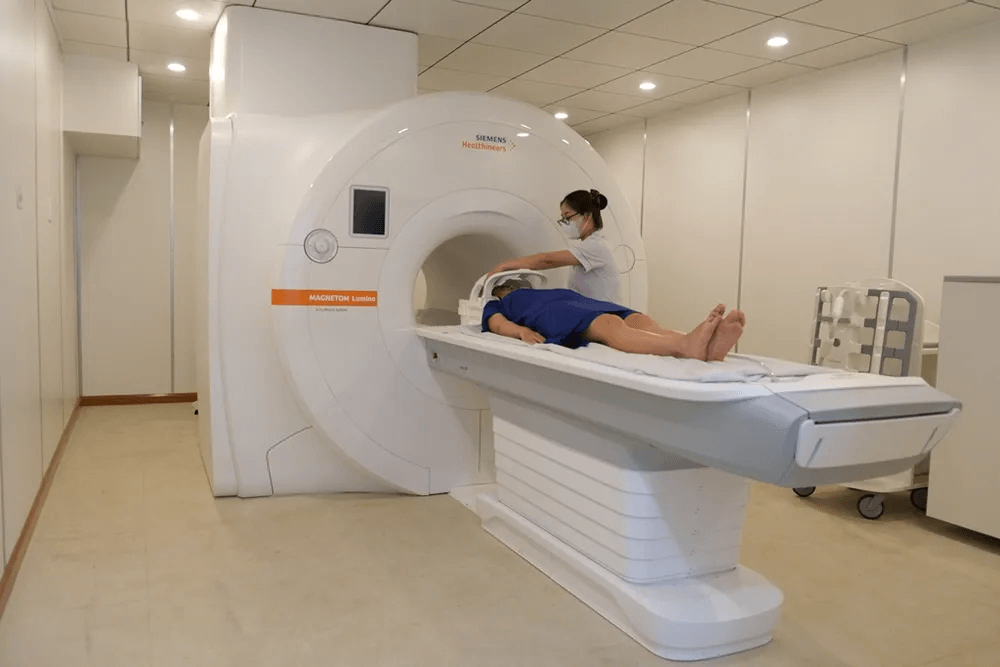
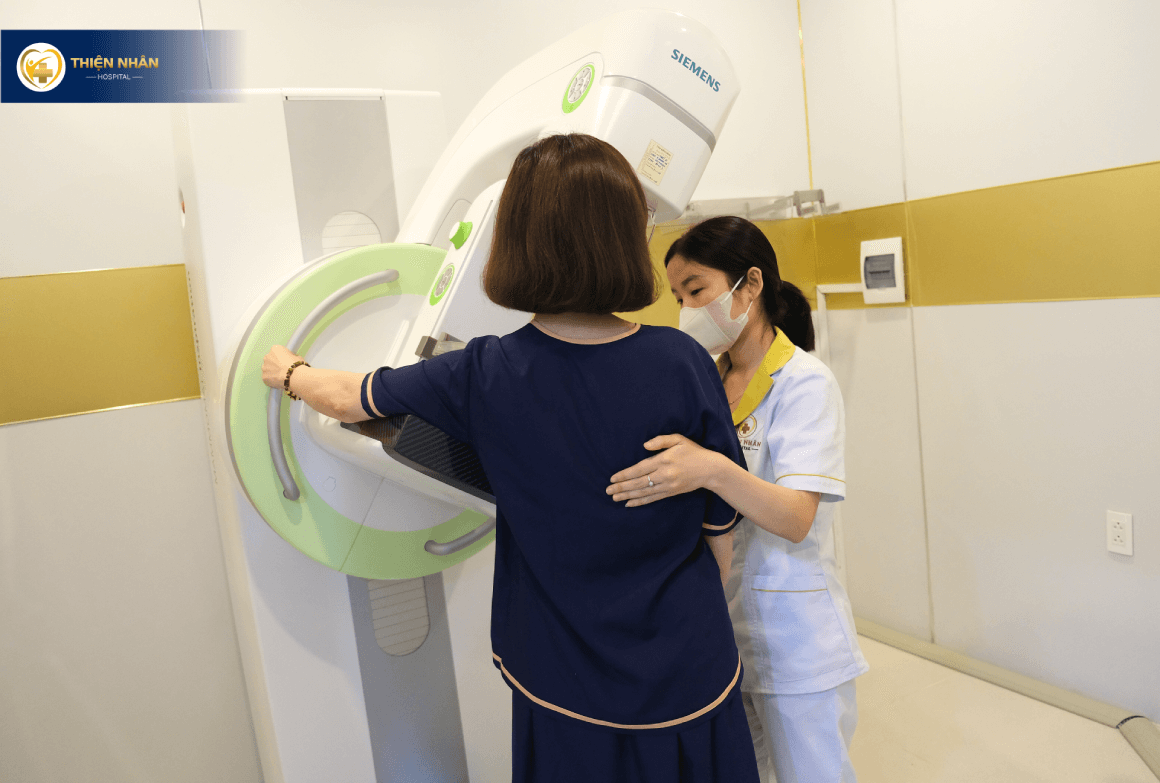
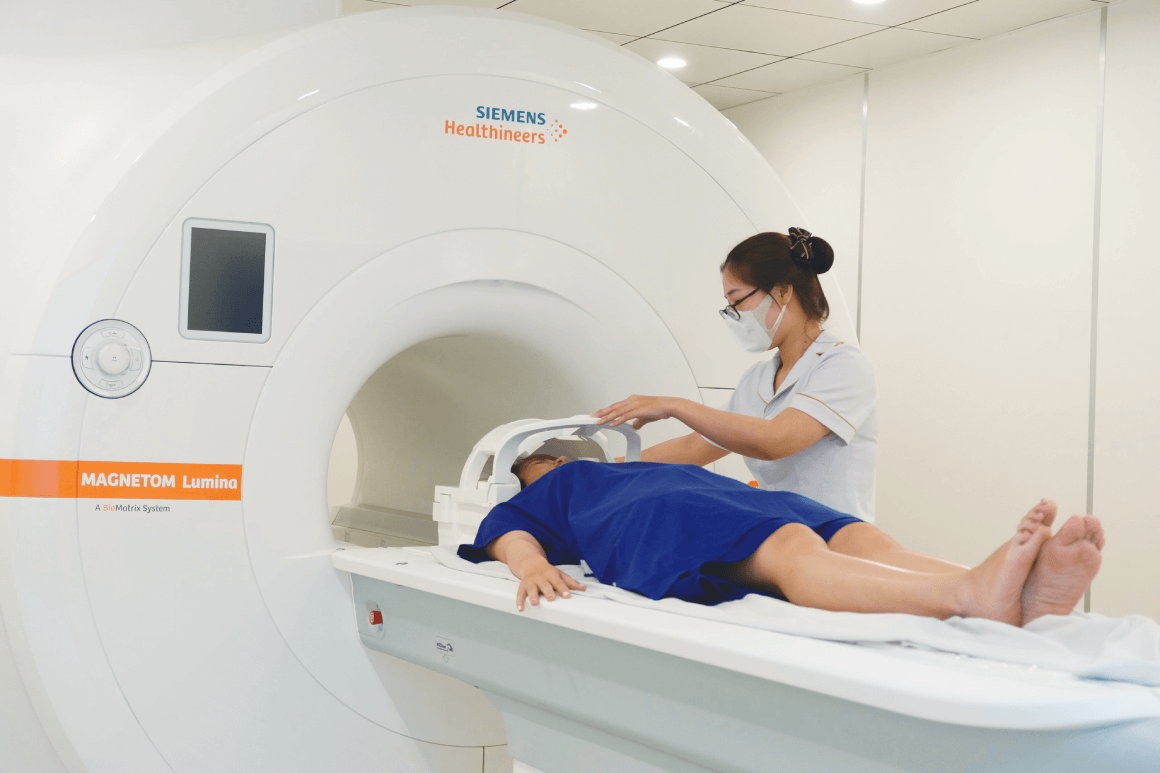
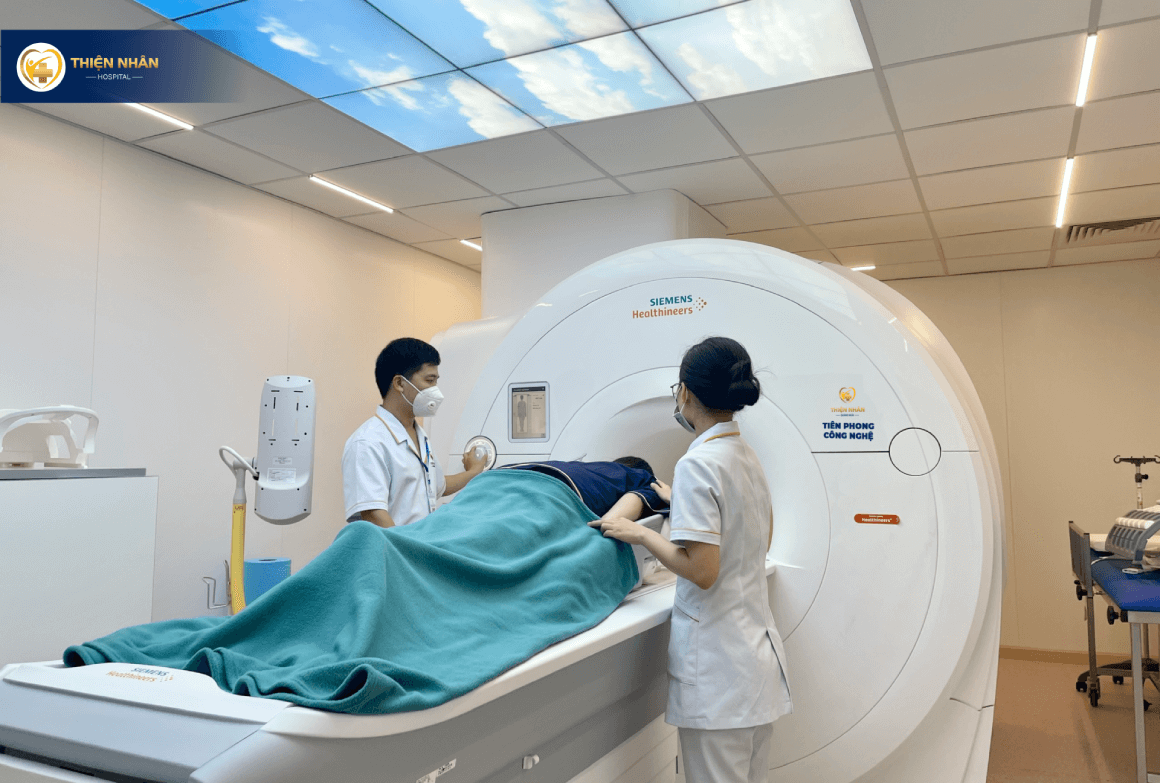
By integrating a wide range of advanced, high-end medical technologies, including the 3D digital mammography system Mammomat Inspiration (Siemens, Germany) and the 3.0 Tesla MRI Lumina system (Siemens, Germany), breast cancer screening at Thien Nhan Hospital delivers highly accurate and safe diagnostic results.
These state-of-the-art imaging systems enable early detection and precise evaluation, providing patients with confidence and peace of mind throughout the screening process.
A Wide Range of Breast Cancer Screening Packages with Transparent and Reasonable Pricing
Breast cancer screening packages at Thien Nhan Hospital are designed from basic to advanced levels, tailored to meet different health needs and screening goals.
With reasonable, transparent pricing and clear, professional consultation, patients can easily select the screening package that best suits their health condition and personal needs.
Streamlined Screening Process – No Waiting Time, Absolute Confidentiality
The breast cancer screening process at Thien Nhan Hospital is carefully streamlined, from registration to result delivery. Patients receive dedicated support throughout the entire journey, with minimal waiting time.
Combined with a modern, private, and comfortable examination environment, Thien Nhan Hospital ensures a safe, discreet, and reassuring screening experience.
Screening Results Reviewed by Leading Expert Consultants
Once screening results are available, each patient’s medical record is reviewed and discussed by a panel of leading medical consultants, both domestically and internationally (including experts from Singapore).
This multidisciplinary review enables physicians to provide highly accurate conclusions and determine the most appropriate treatment direction if any abnormalities are detected.
Secure Digital Storage – Easy Access and Long-Term Health Monitoring
All screening data is securely stored within an intelligent medical management system, allowing patients to easily access, retrieve, and monitor their health progress over time.
This digital record also serves as a valuable reference for physicians to compare results across annual screenings and provide more in-depth, personalized medical advice during follow-up visits.
Cost of the Breast Cancer Screening Package at Thien Nhan
ĐÀ NẴNG
Danh mục khám
Giá tham khảo (VNĐ)
Nữ > 40 tuổi
Nữ < 40 tuổi
1.500.000đ
1.500.000đ
Phiếu khám
x
x
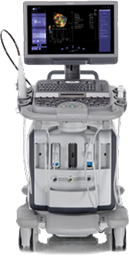
Siêu âm màu tuyến vú (Máy GE LOGIQ S7 Expert Công nghệ XDclear đầu dò ma trận siêu nông – Mỹ )
x
x
Siêu âm màu tuyến vú (Máy GE LOGIQ S7 Expert Công nghệ XDclear đầu dò ma trận siêu nông – Mỹ )
x
QUẢNG NGÃI
Danh mục khám
Giá tham khảo (VNĐ)
Nữ > 40 tuổi
Nữ < 40 tuổi
Gói tầm soát ung thư vú cơ bản
285.000đ
8.647.000đ
Gói tầm soát ung thư vú trên cao cấp
1.425.000đ
9.786.900đ/td>
Payment Methods at Thien Nhan Hospital: At Thien Nhan Hospital, patients can enjoy flexible and convenient payment options, including cash payment, bank transfer, and credit/debit card payment, ensuring ease and accessibility in all situations. In addition, Thien Nhan Hospital partners with reputable private insurance providers such as Bao Viet, PVI, BIDV, MIC, and others. This collaboration helps patients feel secure about breast cancer screening costs and allows them to fully focus on a comfortable and worry-free healthcare experience.
Recommended For
Frequency
Screening Methods
Process
Notes
Breast Cancer Screening Images
Recommended Age Groups for Early Breast Cancer Screening
Breast cancer screening is recommended for the following groups:
Women aged 20–30 years are advised to perform regular monthly breast self-examinations and undergo breast ultrasound to facilitate early detection of abnormalities.
Women aged 30–40 years should combine clinical breast examination with breast ultrasound and mammography for comprehensive screening.
Women over 40 years of age are recommended to undergo annual breast cancer screening using mammography, breast ultrasound, or breast MRI, as indicated by a physician.
Women at High Risk of Breast Cancer Who Should Undergo Regular Screening
In addition, women who belong to high-risk groups are strongly encouraged to undergo regular breast cancer screening, including:
Women with abnormal breast signs, such as: The presence of small lumps or unusual swelling in the breast; Inverted nipples or changes in nipple shape; Unusual skin rash, dimpling, or small bumps on the breast; Abnormal nipple discharge; Thickened or roughened skin on the breast or around the nipple; Unexplained swelling in the armpit or near the shoulder blade
Family history: Having close relatives (mother, sisters, etc.) diagnosed with breast or ovarian cancer; Presence of BRCA1 or BRCA2 gene mutations
Personal medical history: Previous breast cancer in one breast; Certain benign breast conditions (e.g., atypical hyperplasia); History of chest radiation therapy before the age of 30
Hormonal and reproductive factors: Early onset of menstruation (before age 12); Late menopause (after age 55); Never having given birth or having the first child after age 30; Use of hormone replacement therapy (HRT)
Lifestyle factors: Overweight or obesity, Regular alcohol consumption, Physical inactivity
How Often Should Breast Cancer Screening Be Performed?
The recommended frequency of breast cancer screening varies depending on age and individual risk factors. Specifically:
Women aged 20–39 years: Breast cancer screening is recommended every 1–3 years.
Women aged 40 years and older: Breast screening should be performed annually or every two years, based on a physician’s recommendations.
Women at high risk of breast cancer: Screening should be initiated at a younger age and conducted more frequently, according to medical advice.
Women aged 50–74 years, especially those with genetic risk factors, may be advised by physicians to undergo breast screening twice per year.
What Are the Most Effective Ways to Screen for Breast Cancer?
The selection of an appropriate breast cancer screening program depends on several factors, including age, family history, genetic background, and overall health status. In general, breast cancer screening tests are performed before symptoms appear, with the aim of detecting the disease at an early stage. Common screening methods include:
Mammography: Mammography is the most widely used and effective breast cancer screening method and is considered the gold standard in clinical practice.
Magnetic Resonance Imaging (MRI): Breast MRI is typically recommended for women at high risk, as it can detect small lesions that may be missed by mammography.
Breast and Axillary Ultrasound: This method is non-invasive, easy to perform, cost-effective, and useful for evaluating breast tissue and axillary lymph nodes.
Additional diagnostic methods: These may include clinical breast examination, breast thermography (thermal imaging), and biopsy or tissue sampling for more accurate evaluation when necessary.
Below are the breast cancer screening methods available at Thiện Nhân Hospital:
3D Mammography – Mammomat Inspiration:
A state-of-the-art mammography X-ray system offering exceptional accuracy and enhanced patient safety.
Optimized for Asian women’s breast tissue, delivering clearer and more detailed images.
Enables early detection of breast tumors and microcalcifications as small as 1 mm, thanks to high-resolution, high-contrast 3D imaging.
Provides layer-by-layer visualization of breast tissue, improving lesion detection—especially in women with dense breast tissue.
Integrated Artificial Intelligence (AI) automatically adjusts compression force, ensuring a gentle, comfortable, and pain-free examination while maintaining safety.
3.0 Tesla MRI – Lumina Full Option (Siemens, Germany)
The latest-generation MRI system, often referred to as “the visionary eye” in diagnostic imaging.
Enables high-resolution whole-body scanning, allowing detailed evaluation of each organ.
Accurately detects very small tumors, only a few millimeters in size, even at the earliest stages of development.
Highly effective for breast cancer screening in women at high risk.
Three Steps of Breast Cancer Screening at Thiện Nhân Hospital
At Thiện Nhân Hospital, the breast cancer screening program is scientifically designed to be efficient, comprehensive, and patient-centered, ensuring accurate assessment of breast health.
Step 1: Initial Consultation and Risk Assessment
Patients are first examined directly by a specialist physician. The doctor reviews the patient’s medical history, identifies risk factors (such as genetic predisposition, hormonal factors, and lifestyle), and performs a comprehensive breast evaluation. Based on clinical findings, the physician recommends an appropriate screening package and orders relevant diagnostic tests.
Step 2: Diagnostic Imaging Procedures
Depending on the selected screening package and the patient’s health condition, the physician may prescribe one or more advanced diagnostic imaging techniques available at Thiện Nhân Hospital.
Step 3: Specialist Consultation and Results Interpretation
Once clinical examination, imaging studies, and breast cancer–related test results are available, the specialist provides a detailed explanation of the findings, offers a clinical conclusion, and recommends appropriate follow-up or treatment options. When necessary, the case may be further reviewed through multidisciplinary consultation with senior medical experts to ensure accurate diagnosis and the most optimal care plan for the patient.
Important Notes Before, During, and After Breast Cancer Screening
To ensure a smooth screening process, accurate results, and maximum comfort, please take note of the following important recommendations.
Before the Screening
Before undergoing breast cancer screening, patients are advised to:
Choose a reputable screening facility: Select a trusted hospital or medical center with experienced breast and oncology specialists, along with advanced diagnostic equipment such as mammography, MRI, and ultrasound systems to ensure accurate diagnosis.
Schedule the screening at an appropriate time: According to medical recommendations, breast screening should be performed at least one week after menstruation, when breast tissue is softer and less sensitive, allowing for clearer imaging.
Prepare for mammography: Avoid using deodorants, talcum powder, lotions, creams, or perfumes on the chest and underarm areas, as these substances may affect imaging results.
Disclose your medical history: Inform your physician about any previous medical conditions, breast surgeries, breast implants, pregnancy, or breastfeeding status so that the most suitable screening method can be selected.
Provide accurate and complete information: Clearly share details regarding your menstrual cycle, current medications, and any family history of breast cancer to help physicians assess your risk accurately.
During the Screening
While undergoing breast cancer screening, please keep the following points in mind:
Follow medical staff instructions: Carefully follow guidance regarding positioning, breathing, and remaining still during imaging procedures to ensure clear images and accurate results.
Appropriate attire for mammography: During mammography, patients are advised to remove bras and jewelry and wear the hospital-provided gown to ensure safety and convenience.
Communicate any discomfort to medical staff: If you experience pain, discomfort, or anxiety during the procedure, please inform the technologist immediately so that compression can be adjusted appropriately for your comfort.
After the Screening
After completing breast cancer screening, proper follow-up and maintaining healthy habits are essential. Patients are advised to:
Monitor your breast condition: Inform your physician promptly if you notice any unusual changes in the breast area, such as pain, swelling, nipple discharge, or the presence of a lump.
Undergo additional tests if required: In certain cases, the physician may recommend further investigations such as breast MRI or biopsy to accurately determine the nature of any detected abnormalities. Patients should be prepared for this possibility.
Attend regular follow-up screenings: Women are encouraged to undergo breast screening once or twice per year, or according to individualized medical recommendations, to ensure early detection of potential abnormalities.
Maintain a healthy lifestyle: Adopting a balanced diet, engaging in regular physical activity, getting adequate sleep, and limiting alcohol consumption can help reduce disease risk and improve overall health.
Below are selected images capturing the breast cancer screening process at Thiện Nhân Hospital, providing a clearer overview of the examination procedures and the quality of medical services offered.
Quick and Efficient Consultation & Testing Registration
Experienced Medical Team
Thien Nhan Hospital ensures patient confidence with highly qualified doctors trained in countries with advanced healthcare systems such as Germany, France, and Singapore, possessing extensive experience in examination, treatment, and advanced medical technology transfer.
As a high-quality medical center, Thien Nhan Hospital is equipped with world-class medical systems imported from the USA, Germany, Switzerland, and Japan, ensuring fast, accurate diagnosis and maximum peace of mind for patients.
At Thiện Nhân Hospital, the cost of breast cancer screening is flexibly designed based on age and individual screening needs. Prices range from VND 285,000 to VND 9,786,900, covering both basic and advanced screening packages. In addition, Thiện Nhân Hospital cooperates with reputable private insurance providers, allowing patients to feel more secure about costs and enjoy greater convenience when using medical services.
Where is the best place for breast cancer screening?
If you are looking for a reliable breast cancer screening center, Thiện Nhân Hospital is a trusted choice thanks to its team of experienced specialist physicians, advanced diagnostic equipment such as Siemens 3D digital mammography (Germany) and the 3.0 Tesla Lumina MRI system, along with a scientific, efficient, and highly confidential examination process.
Can breast cancer and cervical cancer screening be done at the same time?
Yes. Women can undergo breast cancer and cervical cancer screening during the same visit. This combined approach not only saves time and costs but also provides a more comprehensive assessment of reproductive and hormonal health.
How often should breast ultrasound and breast cancer screening be performed?
The frequency of breast ultrasound and breast cancer screening depends on age and individual risk factors: Women aged 40 and above: at least once a year; Women aged 20–39: every 3 years, unless high-risk factors are present, in which case screening is recommended annually or every 6 months; Women aged 55 and above: screening every 2 years or annually, depending on the physician’s advice
Can breast ultrasound detect breast cancer?
Breast ultrasound can help detect breast cancer, particularly in women with dense breast tissue. However, it is not a standalone diagnostic method and is usually combined with other tests such as mammography or biopsy to reach an accurate diagnosis.
Will the doctor explain how to interpret breast ultrasound results?
Yes. The physician will explain your breast ultrasound results by clarifying medical terminology, assessing risk using the BI-RADS classification system, and coordinating with the clinical team to develop an appropriate follow-up or treatment plan.
How to Perform Breast Self-Examination at Home?
Below is a 5-step guide to breast self-examination that helps you proactively monitor your breast health and detect early warning signs:
Step 1: Observe breast shape and symmetry: Stand in front of a mirror and check whether both breasts are symmetrical. Look for skin dimpling, an orange-peel appearance, or any unusual swelling or pain.
Step 2: Examine the nipples and skin surface: Check for nipple inversion, color changes, cracking, or skin abnormalities. These may be early warning signs.
Step 3: Feel for unusual lumps: Lie on your back and use your right hand to examine your left breast, and vice versa. Keep your fingers together and use the flat pads of your fingers to palpate the breast tissue. You may divide the breast into four quadrants and examine each area, or move your hand in circular motions from the nipple outward.
Step 4: Check the underarm area: Gently palpate the armpit to detect any swollen lymph nodes or small lumps.
Step 5: Observe nipple discharge: Gently squeeze the nipple to check for any discharge. If you notice bloody, yellow, or green discharge, seek medical evaluation promptly.
Breast cancer screening is not only a way to protect your health but also an act of self-care and self-love. Women are encouraged to maintain regular breast self-examinations at home and undergo periodic screening at reputable medical facilities to stay proactive in early detection, receive timely treatment, and enjoy a healthier, more confident life.



 Book appointment
 BOOK A FREE CONSULTATION