Khoa nhi

Pediatrics Department at Thien Nhan Hospital – Supporting Children’s Comprehensive Development

image reason

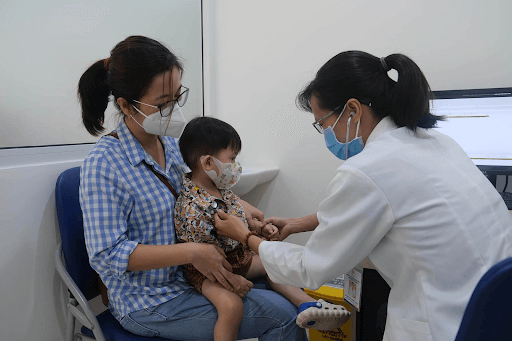
Experienced pediatric specialists who understand child psychology

The pediatric physicians at Thien Nhan Hospital possess not only strong expertise in diagnosing and treating pediatric conditions but also a deep understanding of child psychology, ensuring gentle and comfortable examinations for young patients.

image reason

A wide range of examination packages tailored to each developmental stage (from newborns to under 16 years old)

Examination packages are designed according to age and developmental needs, from newborn care to pediatric check-ups for children under 16, enabling comprehensive health monitoring and care.

image reason

Application of modern medical equipment in diagnosis and treatment

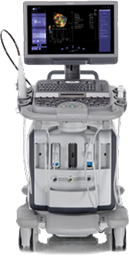
Advanced technologies such as the SC 2000 4D ultrasound system and digital X-ray systems support early detection of abnormalities and provide faster, more accurate diagnoses.

image reason

One-on-one consultation with physicians on effective child healthcare

After the examination, parents receive direct counseling from physicians regarding nutrition, sleep, and physical and cognitive development, helping them care for their children at home in a scientific and effective manner.

image reason

Multidisciplinary consultation for more accurate diagnosis

Through collaboration among departments such as Pediatrics, Otolaryngology (ENT), Nutrition, Gastroenterology, etc., physicians can provide more comprehensive assessments and ensure accurate, effective treatment.

image reason

Professional, streamlined, and efficient examination process

A flexible appointment system and well-organized reception – examination – payment process help minimize waiting time and ensure a comfortable experience for both children and parents.

image reason

Transparent pricing with insurance support

All costs are clearly disclosed before examination. Thien Nhan Hospital also partners with reputable insurance providers, helping families feel financially secure.

image reason

PACS-based result storage for easy access when needed

All examination results and diagnostic images are securely stored electronically, allowing physicians to easily monitor a child’s health progress and parents to retrieve records whenever necessary.

image-pattern

Service Fees at Thien Nhan Hospital

Payment methods: To provide the most convenient and reassuring experience for parents, the Pediatrics Department at Thien Nhan Hospital supports multiple payment methods, including cash, bank transfer, and bank cards. In addition, the hospital offers support for both public health insurance and private insurance with a fast and streamlined process.

image-pattern
icon-tab

Pediatrics Department Services

icon-tab

Equipment & Technology

icon-tab

Clinical Examination Workflow

Services and Responsibilities of the Pediatrics Department at Thien Nhan Hospital

The Pediatrics Center at Thien Nhan Hospital is responsible for comprehensive care, examination, and treatment for children from newborns to under 16 years of age, providing high-quality medical services that meet the diverse needs of children and parents. Specifically:

Pediatrics services at Thien Nhan Hospital

  • Assessment of children’s physical development: Monitoring weight, height, head circumference, BMI, and comparing them with age-appropriate growth charts.
  • Assessment of motor and psychological development: Identifying signs of developmental delay, language disorders, or behavioral problems.
  • Comprehensive examination of organs: Cardiovascular, respiratory, digestive, neurological, ophthalmologic, ear–nose–throat systems, etc., to detect early abnormalities (if any).
  • Nutrition and childcare counseling: Assisting parents in developing appropriate diet, sleep, and physical activity plans for their children.
  • Vaccination and disease prevention: Scheduling reminders and providing counseling on necessary vaccinations at each stage.

Key services of the Pediatrics Department at Thien Nhan Hospital

Key pediatric services at Thien Nhan Hospital include:

  • General health check-ups for children.
  • Examination and treatment of pediatric diseases.
  • Periodic health check-ups by age group (newborns, 1 month, 6 months, 1 year, 3 years, before school entry, etc.).
  • Screening for congenital diseases, genetic disorders, and abnormal development.
  • School health examinations, pre-vaccination check-ups, and pre-participation sports examinations.
  • Diagnosis and follow-up before and after surgery/intervention for congenital heart disease.

Newborn care.

  • Newborn examinations at the clinic or at home.
  • Screening for neonatal jaundice and congenital heart disease.
  • Guidance on establishing daily routines for infants.

Advanced ultrasound and diagnostic imaging services.

  • Transthoracic echocardiography for newborns and young children.
  • Abdominal, renal–urinary, thyroid, and joint ultrasound.
  • Screening for congenital abnormalities.

Nutrition and developmental counseling.

  • Developing dietary plans for undernourished, overweight, or obese children.
  • Guidance on supplementation of micronutrients, vitamins, and minerals.
  • Counseling on childcare according to each developmental stage.

Responsibilities of the Pediatrics Department at Thien Nhan Hospital

The Pediatrics Department at Thien Nhan Hospital is responsible for comprehensive examination, diagnosis, and treatment for children. In addition, the department provides healthcare services, nutrition counseling, vaccinations, and monitoring of children’s physical and mental development, and participates in disease prevention and control. All examination and treatment processes strictly comply with the regulations of the Ministry of Health, ensuring safety and high effectiveness for children.

Modern medical equipment of the Pediatrics Department at Thien Nhan Hospital

The Pediatrics Department at Thien Nhan Hospital is equipped with a modern, high-tech medical equipment system that supports accurate diagnosis and treatment, helping doctors comprehensively monitor children’s health, including:

SC 2000 4D Cardiac Ultrasound System

This is the world’s most advanced 4D cardiac ultrasound system by Siemens (Germany), providing clear cardiac images through the chest wall. The system integrates VVI software to assess the contractility of 14 different myocardial segments, serving as the number-one tool for evaluating cardiac structure and detecting conditions such as valvular heart disease, congenital heart disease, and major vascular abnormalities.

Logiq S7 Expert General Ultrasound System

The Logiq S7 Expert multifunctional color ultrasound system applies XDclear technology and is suitable for general applications such as abdominal, obstetrics and gynecology, cardiac, vascular, urology, small parts, pediatrics, neonatology, transcranial, and musculoskeletal imaging. In particular, the superficial matrix transducer helps in early detection and assessment of malignancy in conditions such as goiter, breast tumors, joint disorders, and peripheral vascular diseases, delivering fast and accurate diagnostic results.

Pediatric examination process at Thien Nhan Hospital

The Pediatrics Department at Thien Nhan Hospital follows a scientific, comprehensive, and streamlined examination process consisting of just three steps:

Step 1: Clinical examination

The doctor first performs a general examination, assesses the child’s current health status, reviews medical history, vaccination records, and any abnormal signs to determine the appropriate diagnostic direction.

Step 2: Paraclinical examinations

Depending on the child’s needs and health condition, the child may undergo tests such as laboratory tests, ultrasound, X-ray, electrocardiogram (ECG), blood tests, and urine tests. These help detect potential underlying conditions early and evaluate organ function.

Step 3: Doctor consultation

After the examination and test results are available, the doctor provides a detailed consultation to the parents, explains the child’s health condition, recommends an appropriate treatment plan, nutritional regimen, and gives guidance on home care.

image-pattern image-pattern

Quick and Efficient Consultation & Testing Registration

Experienced Medical Team

Thien Nhan Hospital ensures patient confidence with highly qualified doctors trained in countries with advanced healthcare systems such as Germany, France, and Singapore, possessing extensive experience in examination, treatment, and advanced medical technology transfer.

VIEW DETAILS

bs-hung

Advanced Technology & Equipment

As a high-quality medical center, Thien Nhan Hospital is equipped with world-class medical systems imported from the USA, Germany, Switzerland, and Japan, ensuring fast, accurate diagnosis and maximum peace of mind for patients.

VIEW DETAILS

image-trang-thiet-bi-hien-dai
image testimonial

FAQ

What are the common diseases in newborns?

Newborns often experience health issues related to the respiratory system, such as colds, hiccups, respiratory infections, or pneumonia; skin conditions such as neonatal jaundice, milia, and heat rash; and digestive problems like regurgitation, diarrhea, or constipation. Therefore, parents should take their baby for an early newborn general health check to ensure proper monitoring and care.

When should children have a general health check-up?

Parents should not miss important milestones for children’s general health check-ups, including: the first 2 years of life to monitor physical growth and immune development; ages 2–5 to assess nutrition and motor skills; ages 5–10 to evaluate learning ability, physical development, and overall health; and after age 12 to assess pubertal development, reproductive health, and disease risk factors.

When should a child have a nutrition check-up?

Parents should pay attention to scheduling nutrition check-ups for children at 6, 9, 12, 15, 18, and 24 months of age. After 6 months, when babies begin complementary feeding, the risk of nutritional problems increases; therefore, check-ups help detect early factors that may affect development. From 24 months onward, nutrition check-ups should be repeated regularly 1–2 times per year.

In addition, if a child shows abnormal signs such as poor appetite, pale skin, slow growth, poor weight gain, or overweight/obesity, low immunity, or frequent minor illnesses, parents should take the child for a nutrition check-up as early as possible.

How can children be encouraged to cooperate during a doctor’s visit?

To help children cooperate during a doctor’s visit, parents can apply the following approaches:

  • Talk to the child about the health check-up as a game or an activity that helps them stay healthy, avoiding fear.
  • Let the child know in advance what will happen, such as listening to the heartbeat, measuring height and weight, or receiving vaccinations.
  • After the visit, encourage the child with praise or a small gift to motivate them.
  • Parents should stay with the child, keep them calm and comfortable, and create a sense of safety.
  • Taking children to reputable pediatric hospitals or clinics often ensures that doctors and medical staff know how to communicate effectively, helping children feel happy and cooperative throughout the examination.

How much does a pediatric check-up cost?

At Thien Nhan Hospital, the cost of pediatric examinations ranges from …, depending on the child’s age, the selected package (general pediatric check-up, pediatric respiratory examination, specialized consultation, or periodic check-up), and additional services such as laboratory tests, ultrasound, or vaccination. Pricing is publicly listed and transparent, with insurance payment support available, helping parents easily choose the most suitable package for their child’s needs.

Children’s smiles and healthy steps are the most priceless rewards for parents. Regular pediatric health check-ups at Thien Nhan Hospital bring peace of mind and trust, helping children develop comprehensively both physically and mentally, so that every day with your child is filled with joy.