3-step stroke screening process at Thien Nhan Hospital
Step 1: Initial examination and assessment
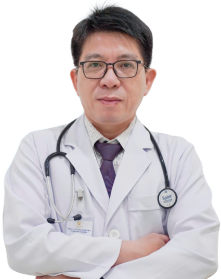
Specialist doctors conduct direct examinations and overall health assessments, including cardiovascular function, blood pressure, blood glucose, and other stroke risk factors. Based on clinical findings, doctors provide detailed screening plans, preparation instructions, and explain all results clearly.
Step 2: Laboratory tests and diagnostic imaging
Patients undergo modern tests and imaging to comprehensively assess stroke risk from heart to brain, including:
- Blood tests: Complete blood count, HbA1c, Total Cholesterol, Triglycerides, HDL, LDL, VLDL
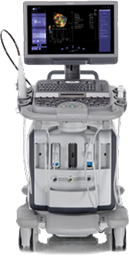
- Cardiac diagnostics: Electrocardiogram, 4D echocardiography (ACUSON SC2000)
- Vascular and brain structure diagnostics: Carotid and vertebral artery ultrasound; non-contrast MRI brain and sinuses (MRI 3.0 Tesla Lumina – Siemens); low-dose chest CT scan
These tests help detect early vascular abnormalities, atherosclerosis, arterial stenosis, aneurysms, or brain lesions—even very small ones—allowing timely preventive solutions.
Step 3: Specialist consultation
After results are available, specialists conduct consultations, provide comprehensive evaluations, and explain each indicator in detail. If necessary, preventive, treatment, or follow-up plans are recommended to help patients proactively manage their health and reduce stroke risk.



 Book appointment
 BOOK A FREE CONSULTATION